
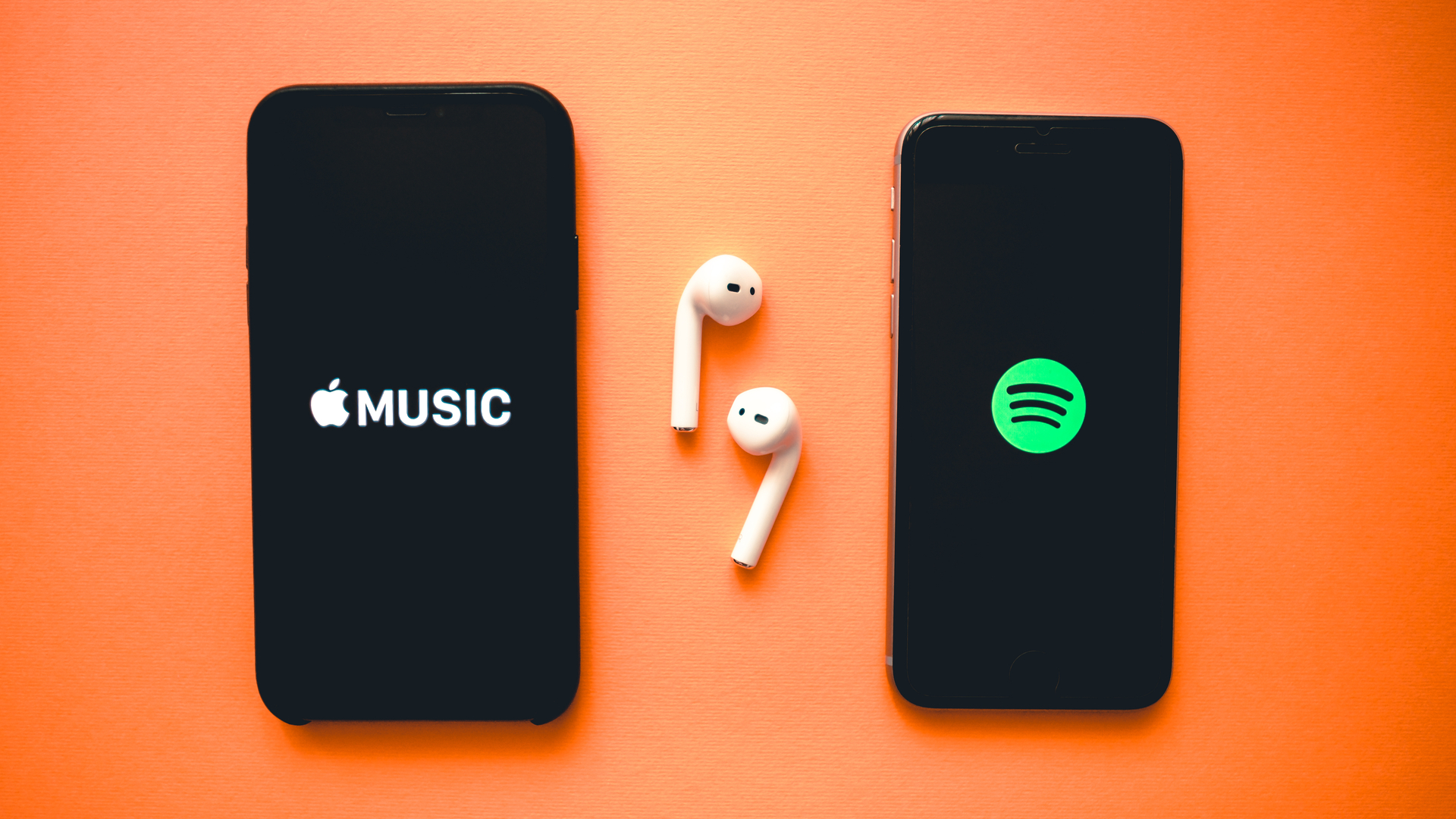
For years not, one of the biggest questions in the music industry have been simple: how much are artists actually making off streaming? With the way we consume music today – Spotify playlists, Apple Music recommendations, TikTok viral hits – it feels like everyone should be eating. However, the truth is that artists are literally getting paid fractions of a penny per stream, and it’s been a sore spot that’s only getting louder.
What Streaming Platforms Actually Pay
Here’s a quick look at the average per-stream payouts (before labels or managers take their cut):
- Spotify – about $0.003–$0.005 per stream
- Apple Music – closer to $0.01 per stream
- Amazon Music – around $0.004 per stream
- YouTube – notoriously low at $0.0007 per stream
- Tidal – one of the better ones at $0.012 per stream
To put that into perspective: an artist would need around 250,000 streams on Spotify just to make $1,000. And that’s before the splits. For most musicians, that means streaming checks don’t come close to covering rent, let alone making music sustainable.

Politicians Are Finally Paying Attention
The good news? Lawmakers are starting to step in and actually put music artists into the conversation. Over the last few years, several bills have been proposed in Congress that would change the payout game:
- Living Wage for Musicians Act – Introduced by Rep. Rashida Tlaib and Rep. Jamaal Bowman in late 2023, this bill proposes an Artist Compensation Fund that would guarantee at least one cent per stream. That’s triple (and sometimes quadruple) what Spotify currently pays.
- American Music Fairness Act – Aimed at leveling the playing field between traditional and digital platforms, this bill would require AM/FM radio stations to pay performance royalties to artists, something streaming services already do.
- Protect Working Musicians Act – This one is more behind-the-scenes but huge for independents. It would give smaller and mid-sized artists more power to collectively bargain with platforms like Spotify and Apple, instead of being left on their own.
- HITS Act (Help Independent Tracks Succeed) – Recently signed into law, this legislation lets indie artists and producers write off up to $150,000 of recording expenses in the same year—a big win for anyone funding their own projects.

Why This Matters
The fight isn’t just about money—it’s about survival. Streaming has taken over as the main way people consume music, but only the very top artists can live off it. Everyone else is piecing things together through touring, merch, side hustles, or day jobs. If the system doesn’t change, the risk is simple: we lose out on entire generations of talent who can’t afford to keep making music.
The conversation is heating up, and now that politicians are stepping into the mix, there’s hope that fairer payouts could finally become a reality. Whether or not these bills pass, one thing is clear: the fight for fair pay in streaming is far from over—and the pressure is only growing louder.
Leave a Reply