
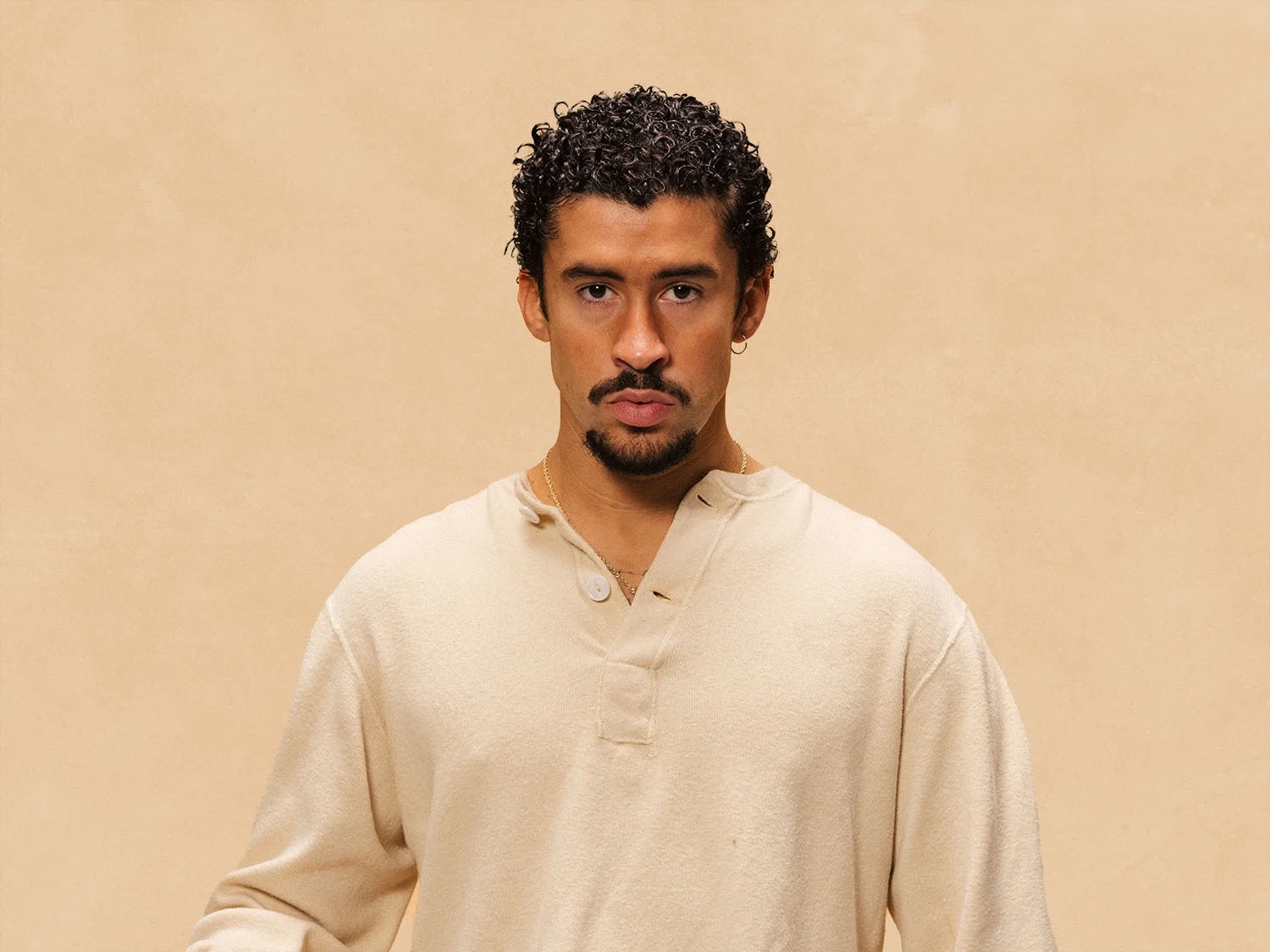
Latin music is no longer just a niche in the American music scene — it’s a cultural movement reshaping the industry. From reggaetón and Latin trap to regional Mexican sounds and bachata, the genre’s influence has grown far beyond Spanish-speaking audiences, becoming a staple for listeners across the country.
One major indicator of this growth comes from the Recording Industry Association of America (RIAA), which reported that Latin music accounted for 8.1% of all recorded music revenue in the U.S. in 2024, an all-time high for the genre. This surge reflects not only the commercial success of artists like Bad Bunny, Karol G, Peso Pluma, and Rosalía, but also the cultural embrace of Latin rhythms in mainstream playlists, festivals, and collaborations.

What’s fueling this rise? A mix of factors — streaming platforms breaking language barriers, younger generations embracing multicultural sounds, and a growing Latinx population influencing American pop culture. Collaborations between Latin artists and global stars have blurred genre lines, creating tracks that dominate both English and Spanish charts.
Festivals like Coachella, Lollapalooza, and even smaller regional events now regularly feature Latin headliners. Meanwhile, social media platforms like TikTok have helped songs go viral beyond traditional fanbases — often turning tracks into cultural phenomena overnight.

As the demand for Latin music continues to grow, so does its role as a cultural bridge. It’s no longer about “crossing over” — Latin artists are headlining tours, topping global charts, and defining the sound of a generation. And if the current momentum is any sign, the U.S. Latin music wave is only getting stronger.
Leave a Reply